I am submitting my request for an accommodation

I'd like to be called back!

I'm signing up for the newsletter!


Expert Opinion: Julien Petit, Forestry Technician at the ONF

Interview—JPETIT—Forestry Technician—ONF

Julien Petit answered our questions about the “islands of the future,” particularly those in Roiffieux, which are at the heart of a project led by the ONF and supported by Azergo through the ONF-Agir pour la forêt Endowment Fund as part of its corporate philanthropy efforts.


  • Julien Petit, you’re a forestry technician with the National Forest Service. What does your job entail?

As a forestry technician, I manage the public forests in the Annonay area of Ardèche. I’ve been working for five years at the local regional office in the Northern Ardèche area alongside seven other technicians. We each manage a different-sized area. My sector is very fragmented, with about fifteen forests—all of which are municipally owned—such as the one in Roiffieux.

Julien Petit - Forest Technician, ONF

More specifically, each year—in consultation with local elected officials and depending on available funding—I plan forest management activities: timber harvesting and sales, tree planting, flora and fauna surveys, identification of trees of ecological interest, and so on. I am also responsible for carrying out these activities. Most of the work is carried out by ONF forestry workers. I may be called upon to organize educational activities with schoolchildren, as I did in Roiffieux. Finally, I have a supervisory and enforcement role. I ensure compliance with the Forest Code and oversee forestry practices.

  • Why did the ONF choose to implement “Islands of the Future” in Roiffieux?
chestnut mushrooms
Mushrooms on Chestnut Wood

We have observed an increase in tree mortality in the Roiffieux Forest, which can be partly attributed to global warming. Indeed, the increase in summer droughts in the area (2021, 2022, and 2023) is weakening the forest stands, which are not accustomed to these conditions. Other factors, such as pests and fungi, may also be contributing factors, particularly affecting chestnut trees. We identified two areas (“forest plots”) that had been particularly hard hit, containing chestnut and Scots pine trees. It is here that the “islands of the future” were established.

  • What are the objectives of this project?

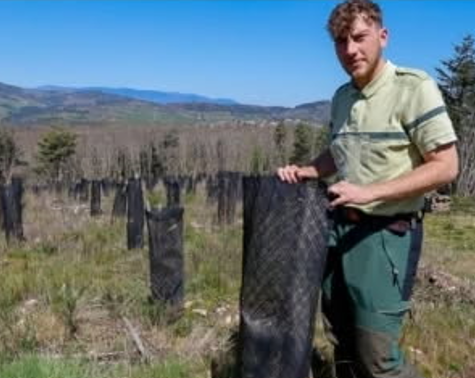
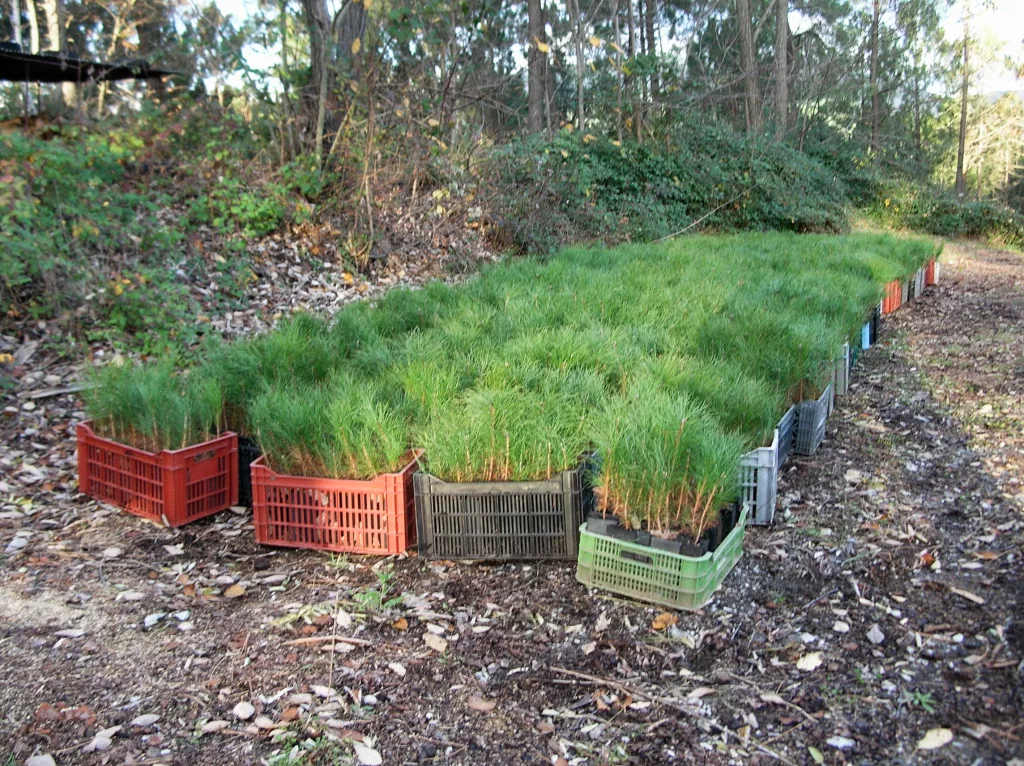
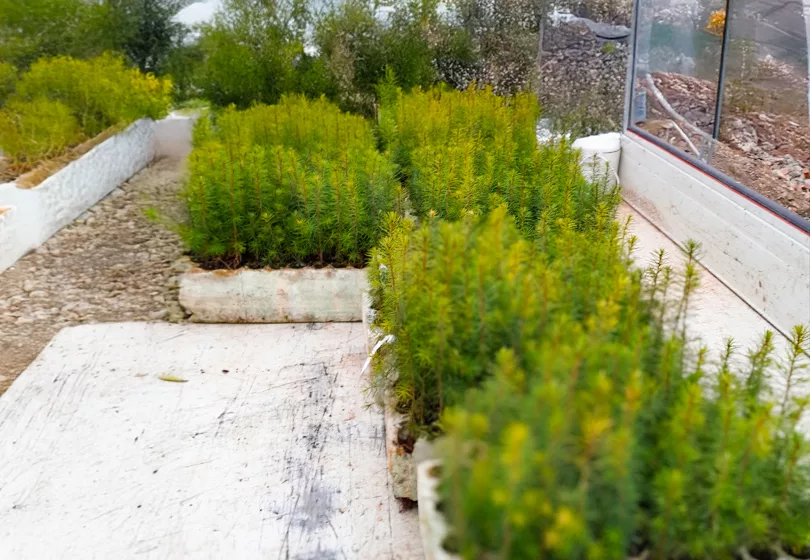
The goal of the “islands of the future” is to test new tree species in the context of rising temperatures and decreasing rainfall. Diseased trees on the selected plots were first cut down to make way for one hectare of the two new species: Salzmann pine and Douglas fir. These species were chosen using software capable of making projections based on climate change, which varies depending on the slope of the site, the local conditions, and other factors. For example, the Salzmann pine is native to the southern part of the Ardèche department and appears to be highly resistant to prolonged droughts and diseases.

We will then monitor the seedlings' growth each year and calculate the survival rate over the first three years to assess whether the selected tree species have adapted well.


Salzmann Pine
photos-douglas-california
California Douglas Fir

Our team is here to help!

Photo credit: ONF

Scroll to the Top
Skip to content